



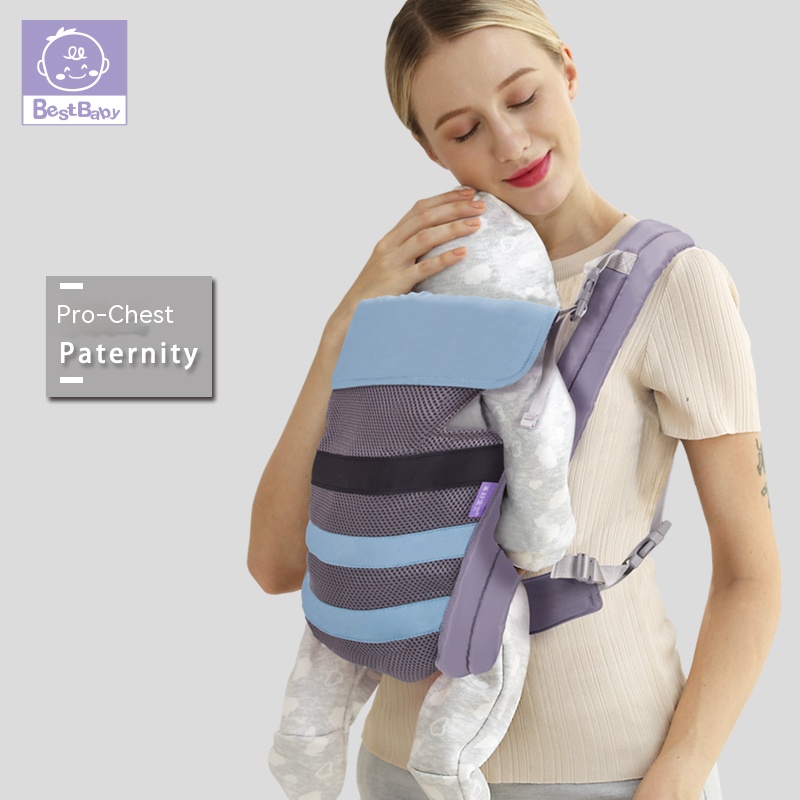
As a new parent, finding the right way to carry your baby can feel overwhelming—especially when their needs change so quickly. BestBaby’s baby carrier solves this with three age-specific methods that adapt to your little one’s growth, ensuring both comfort and safety from day one. Let’s break down how each technique works and why it’s perfect for your baby’s developmental stage.
Newborn Cross Embrace: 0-3 Months
For the first few months, your newborn’s spine is still curved in a gentle C-shape, and their neck muscles are too weak to hold their head up independently. The Newborn Cross Embrace is designed to mimic the feeling of being held close to your chest, providing maximum support for their head and neck. To use this method, position your baby facing inward, with their legs tucked in and their head resting on your chest. Cross your arms over their back to keep them secure, ensuring their chin stays above their chest (never tuck their head too far down, as this can block their airway). This position not only supports their fragile spine but also helps regulate their body temperature and heart rate, mimicking the warmth of the womb.
Vertical Holding: 3-6 Months
By 3-6 months, your baby will start to lift their head and push up on their elbows—signs that their neck and back muscles are strengthening. The vertical holding method lets them sit upright, with their legs dangling freely or tucked into the carrier’s leg openings. This position encourages them to practice head control while still feeling secure. Make sure the carrier’s headrest is adjusted to support their neck, and keep their back straight to avoid slouching. Vertical holding is great for babies who love to look around—they can take in their surroundings while staying close to you, which boosts their cognitive development.
Strap-Supported Carrying: After 6 Months
Once your baby can sit unassisted (usually around 6 months), they’re ready for more freedom. The strap-supported method lets them face outward or inward, using the carrier’s straps to keep them secure. This is perfect for babies who want to explore—they can see the world while you keep your hands free. Adjust the straps so the carrier sits snugly on your hips (not your waist) to distribute weight evenly, and make sure the leg openings are wide enough to support their hips (avoid positions that force their legs into a “froggy” position, as this can strain their joints). This method is also great for longer outings, as it lets your baby move and adjust their position as they grow.
Why Age-Specific Carrying Matters
Using the right carrying method for your baby’s age isn’t just about comfort—it’s about safety and development. Newborns need extra head and neck support to prevent spinal injuries, while older babies need freedom to move and explore. BestBaby’s carrier is designed with these needs in mind, with adjustable straps, a soft headrest, and breathable fabric to keep both you and your baby comfortable. Remember: always check the carrier’s weight limit (usually up to 20-25 pounds) and follow the manufacturer’s instructions to ensure a secure fit.
Whether you’re a first-time parent or a seasoned pro, BestBaby’s baby carrier makes carrying your little one easy and enjoyable. By adapting to their growth, you can focus on what matters most—creating memories and bonding with your baby.