



Understanding the Image: A Glimpse into Modern Parenting
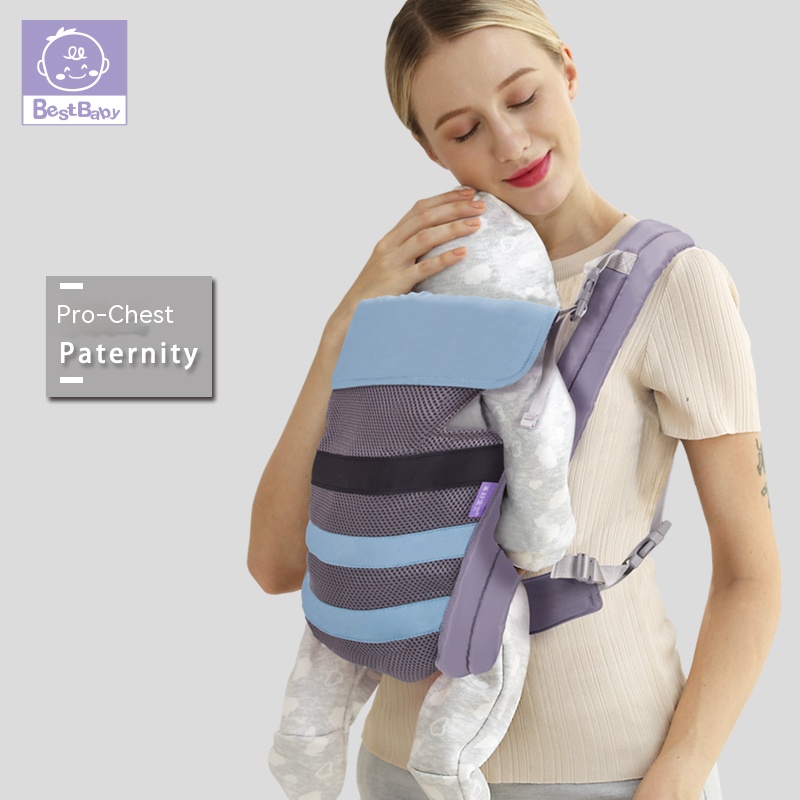
The image presents a heartwarming scene of a father and his baby in an urban park, with the father using a baby carrier to keep the little one close. The background of tall buildings and greenery symbolizes the blend of city life and nature, where such a carrier becomes an essential tool for parents. The text on the left, “解放双手,探索世界” (Free your hands, explore the world), emphasizes the core benefit of the product—liberating parents from the hassle of holding their baby constantly, allowing them to engage in other activities.
Why Baby Carriers Are a Game – Changer for Parents
Baby carriers have revolutionized parenting by offering a hands – free solution that promotes bonding and convenience. Unlike strollers, which can be cumbersome in tight spaces, carriers allow parents to navigate crowded areas, climb stairs, or even travel light. The four carrying methods mentioned in the image cater to different growth stages: front – facing for curious toddlers, back – facing for newborns needing support, side – carry for quick errands, and waist – seat mode for older babies who want to sit upright. This adaptability ensures that the carrier grows with the child, making it a long – term investment.
Key Features to Look for in a Versatile Baby Carrier
When choosing a baby carrier like the one in the image, several factors matter. First, ergonomic design is crucial. A carrier with padded shoulder straps, a supportive waist belt, and a structured seat prevents strain on the parent’s body. For example, the carrier in the image likely has these features to distribute weight evenly. Second, safety standards matter—look for certifications like ASTM or EN 13209, which ensure the carrier meets rigorous safety requirements. Third, adjustability is key. As the baby grows, the carrier should be easily modified to fit their size, ensuring proper hip positioning and spinal alignment.
For urban parents, a carrier that’s lightweight and easy to pack is a bonus. The image’s setting in a city park suggests that the carrier is designed for on – the – go use, fitting seamlessly into daily routines like shopping or park visits. Moreover, breathable materials help keep both parent and baby cool, especially in warm weather.
How to Choose a Baby Carrier for Different Growth Stages
Newborns need extra support for their fragile necks and spines, so a carrier with an infant insert is essential. As babies develop head control (around 3 – 4 months), front – facing positions become suitable. By the time they’re toddlers, back – carry or waist – seat modes offer more independence. The “four carrying methods” in the image likely cover these stages, making it a versatile choice for parents who want a single carrier to last from infancy to toddlerhood.
Another tip for urban parents is to consider the carrier’s compatibility with different outfits and activities. The neutral color of the carrier in the image makes it easy to pair with casual wear, perfect for daily outings. Additionally, easy – to – use buckles and straps save time, which is invaluable when managing a baby and other tasks.
The Emotional Impact: Bonding and Freedom
Beyond practicality, baby carriers foster a strong emotional bond. The close physical contact releases oxytocin, the “love hormone,” strengthening the parent – child connection. At the same time, the freedom to use both hands allows parents to interact with their environment, whether it’s pushing a stroller, holding a coffee, or taking photos. The father’s smile in the image reflects the joy of this balance—being present with the baby while enjoying the moment.
In conclusion, the baby carrier in the image is more than just a piece of gear; it’s a tool that empowers modern parents to navigate life with ease. By combining safety, comfort, and versatility, it supports both the child’s development and the parent’s well – being, making every outing a memorable experience.